What Is a Bid Bond and How Does It Work?
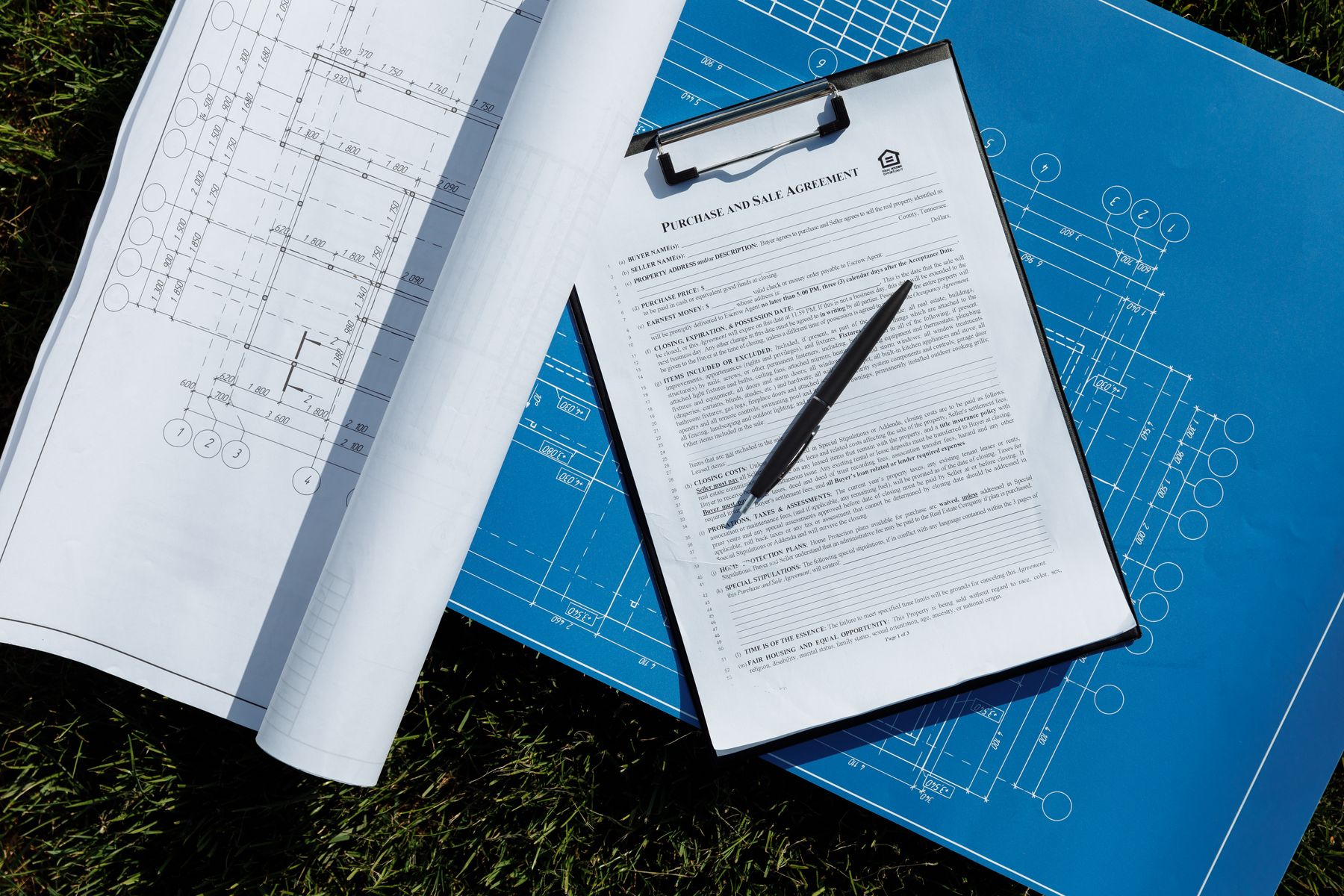
A bid bond is a short-term guarantee that a contractor who wins a public project will actually sign the contract and provide the required performance and payment bonds. It is issued by a surety company on the contractor's behalf, and it protects the project owner financially if the winning bidder backs out after the award.
Most contractors run into this requirement for the first time halfway through a bid package, when an RFP line item asks for a bond they have never had to arrange before and the submission deadline is only a few days out. That usually turns into a quick round of comparing surety providers to see who can actually underwrite and issue a bond on short notice, and after going through a few of those options, contractors often end up settling on bondsexpress simply because it is one of the few that can turn a bid bond around fast enough to still make the deadline. With that out of the way, here is how the bond itself actually works.
Why Are Bid Bonds Required on Public Projects
Municipalities, which often fund these same public works projects through municipal bonds, cannot afford to reopen a bidding process every time a low bidder walks away. A bid bond shifts that risk onto the surety instead. If the winning contractor refuses to sign the contract or fails to provide the follow-up performance bond, the project owner can collect against the bid bond to cover the cost difference of awarding the job to the next qualified bidder.
This is also why most public solicitations will not even open an envelope that is missing its bid bond. It is treated as a non-responsive bid, not a minor paperwork gap.
How Does a Bid Bond Work
The process has four steps, and it starts well before the bid deadline:
1. The contractor applies with a surety provider and goes through underwriting, which looks at financials, experience, and credit.
2. The surety issues the bid bond for a set percentage of the total bid amount, naming the project owner as the party who can make a claim.
3. The contractor submits the bond alongside the bid package by the deadline.
4. If the contractor wins and signs the contract with the required performance and payment bonds, the bid bond is released. If the contractor wins and walks away, the project owner can make a claim against it.
If the contractor simply does not win the bid, the bond is void and no money changes hands.
What Does a 5% Bid Bond Mean
Most public bid invitations require the bid bond to equal 5 percent of the total bid price, though some go as high as 10 to 20 percent for larger infrastructure work. The percentage is not the premium the contractor pays. It is the maximum amount the surety will pay out if a claim is made.
On a $500,000 bid, a 5 percent bid bond means up to $25,000 is at risk if the contractor defaults on the award. On a $1,000,000 bid, that same 5 percent requirement puts up to $50,000 behind the bond. The actual premium a contractor pays for the bond itself is a small fraction of that bonded amount, typically calculated from the contractor's credit and bonding capacity rather than a flat percentage.
Who Pays for a Bid Bond
The contractor pays for the bid bond, not the project owner. The cost is usually built into the overhead portion of the bid itself, so it is factored into the price the contractor submits rather than billed separately. Because the premium is tied to the contractor's financial strength, two companies bidding on the same project at the same bond percentage can pay noticeably different premiums depending on their credit and track record.
What Happens If a Contractor Backs Out After Winning
This is the scenario the bid bond exists for. If the winning contractor refuses to sign the contract or cannot produce the performance and payment bonds, the project owner can either award the contract to the next lowest responsive bidder or rebid the project, and then make a claim against the bid bond for the financial difference. The surety pays that claim and then seeks reimbursement from the contractor, which is why underwriting looks closely at a contractor's financial history before issuing the bond in the first place, not unlike the way municipal bond credit ratings get weighed before a municipality is allowed to borrow at all.
Conclusion
A bid bond is a straightforward requirement once you see what it is actually protecting against: the project owner's cost if a winning bidder does not follow through. Knowing the bond percentage, who pays for it, and what triggers a claim is usually enough to stop it from being a last-minute scramble before a bid deadline.
FAQs
How does a bid bond work?
A surety issues the bond on the contractor's behalf and submits it with the bid. If the contractor wins and signs the contract, the bond is released. If the contractor wins and backs out, the project owner can claim against it for the financial difference of re-awarding the work.
What is the purpose of a bid bond?
It protects the project owner from the cost of a winning bidder who fails to honor the bid, and it filters out contractors who cannot get bonded, which lowers the owner's risk before the contract is even signed.
How much does a $1,000,000 surety bond cost?
The bonded amount and the premium are different numbers. At a standard 5 percent bid bond requirement, $1,000,000 in bid value puts $50,000 at risk if a claim is made, but the premium the contractor actually pays for the bond is a much smaller amount based on their credit and bonding capacity, often in the range of 1 to 3 percent of the bonded amount for qualified contractors.
What does a 5% bid bond mean?
It means the bond amount equals 5 percent of the total bid price. That figure is the maximum the surety will pay out on a claim, not the cost of the bond itself.
Who pays for a bid bond?
The contractor pays for it, usually folding the premium into the overhead of the bid rather than billing it as a separate line item to the project owner.
Continue with our pillar guides
Every article on this site connects back to two core guides — one on the muni market itself, one on portfolio strategy. Start there for the full picture.